
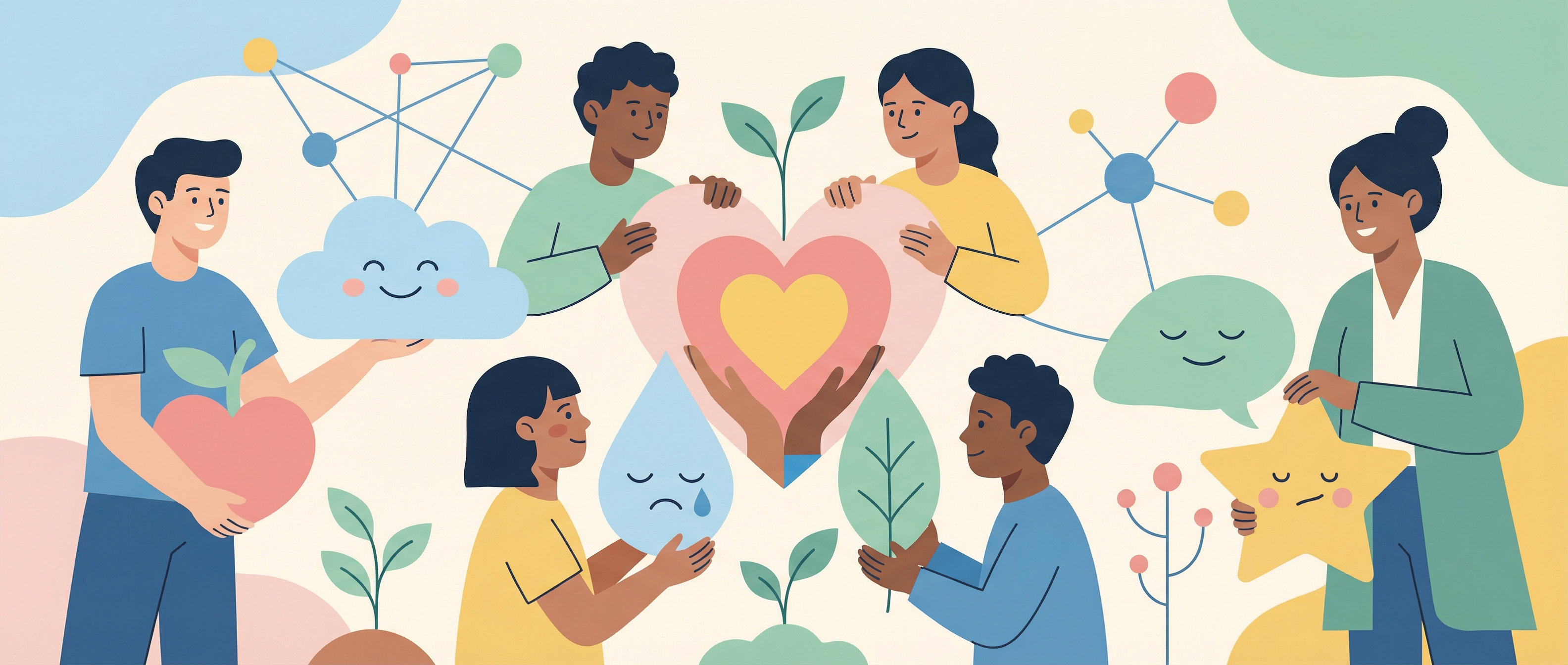
What Is Social Emotional Learning?
Social emotional learning (SEL) helps students develop self-awareness, self-management, social awareness, relationship skills, and responsible decision-making. SEL lessons are increasingly prioritized in K-12 education and can be woven into academic subjects or taught as standalone activities.
Why SEL Lesson Plans Matter
Structured SEL lesson plans ensure that social and emotional skills are taught intentionally rather than only in reaction to behavior. Good SEL lessons include clear objectives, age-appropriate activities, and opportunities for reflection and practice. They also align with frameworks such as CASEL's five competencies.
Designing Effective SEL Lessons
Effective SEL lessons often include: a clear learning target (e.g., identifying emotions, conflict resolution), a hook or check-in, structured activities (role-play, discussion, journaling), and a closing reflection. You can use an AI lesson plan generator to create SEL-focused plans: specify "social emotional learning" or topics like empathy, self-regulation, or teamwork along with your grade level. MyLesson.AI generates objectives, activities, and discussion questions you can adapt for your classroom.
Integrating SEL Across Subjects
SEL doesn't have to be a separate block. Embed it into ELA (character analysis, perspective-taking), math (collaborative problem-solving), and science (group experiments, ethical discussions). Tools like MyLesson.AI can help you create integrated lessons that meet both academic and SEL goals.
Conclusion
Strong SEL lesson plans support the whole child and a positive classroom culture. With MyLesson.AI, you can generate and customize SEL lessons that fit your curriculum and students' needs.