
Understanding Differentiation
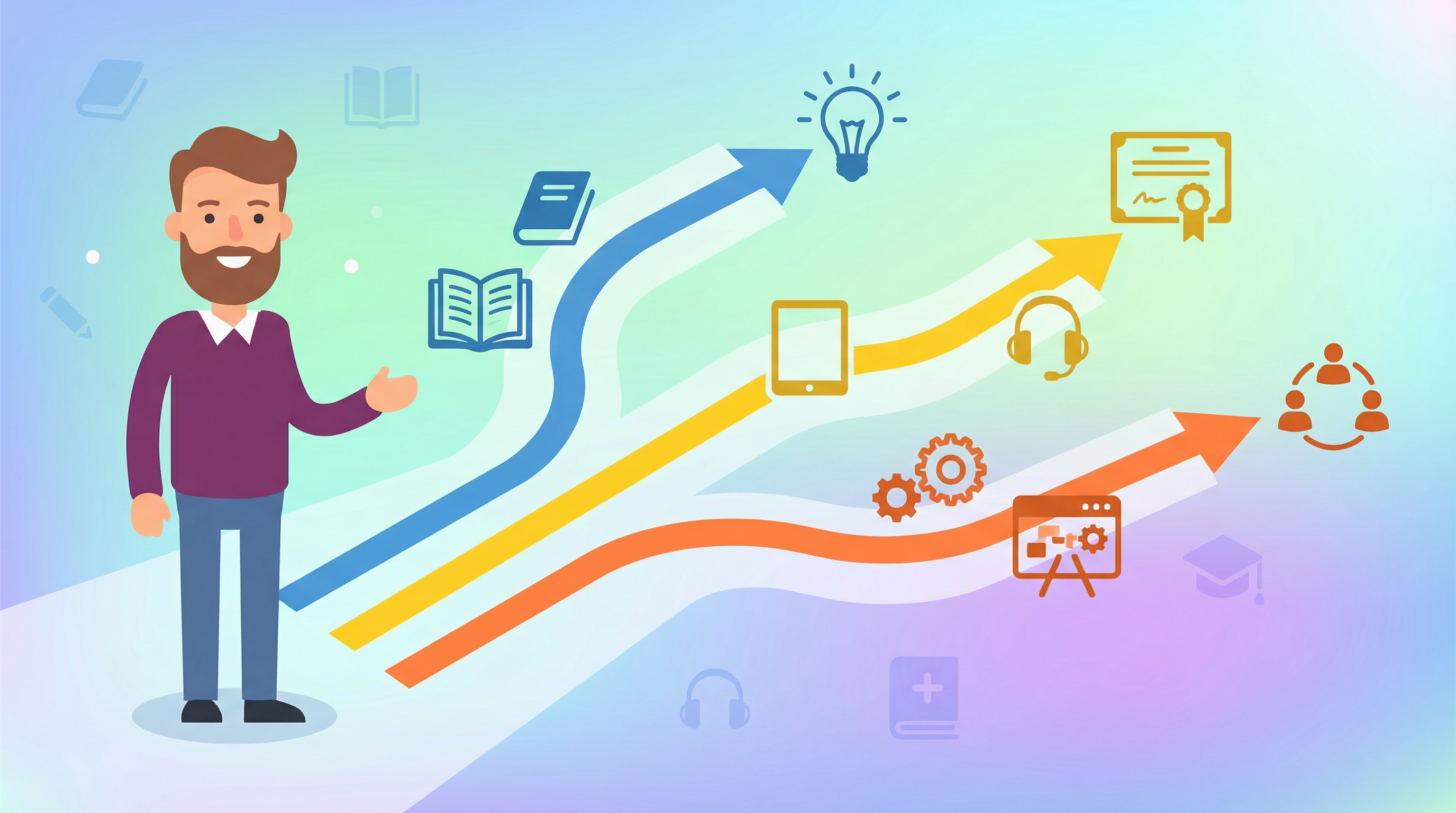
Differentiation is the practice of tailoring instruction to meet individual student needs. In today's diverse classrooms, differentiation is essential for ensuring all students can access and succeed with the curriculum.
Why Differentiation Matters
Every student learns differently. Some are visual learners, others are auditory or kinesthetic. Some need more time, others need more challenge. Differentiation ensures all students can access learning in ways that work for them.
Key Differentiation Strategies
- Content: Vary what students learn based on readiness and interests
- Process: Provide different ways for students to engage with content
- Product: Allow students to demonstrate learning in various ways
- Environment: Create flexible learning spaces that support different needs
Using AI for Differentiation
MyLesson.AI's differentiation strategy generator creates personalized strategies based on:
- Student learning styles and preferences
- Academic readiness levels
- Cultural backgrounds and experiences
- Special needs and accommodations
Practical Examples
Differentiation might look like:
- Providing reading materials at different levels
- Offering multiple ways to demonstrate understanding
- Using flexible grouping strategies
- Providing tiered assignments with varying complexity
Implementing Differentiation
Start small by differentiating one aspect of a lesson. Use formative assessment to identify student needs. Gradually expand differentiation strategies as you become more comfortable. Remember, differentiation doesn't mean creating completely different lessons—it means providing options within the same learning objectives.
Conclusion
Differentiation is key to inclusive, effective teaching. With MyLesson.AI, generating differentiation strategies is quick and easy. All strategies are saved automatically for future reference.